Custom Tuck Boxes
Key Features
| Why Choose US?
|
Trusted by 980+ of the World's Best Organization.
Get Instant Custom Quote
Introduction
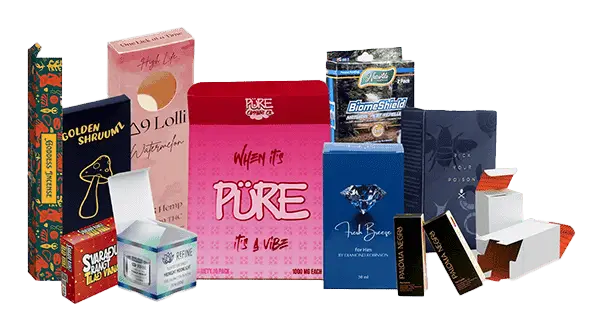
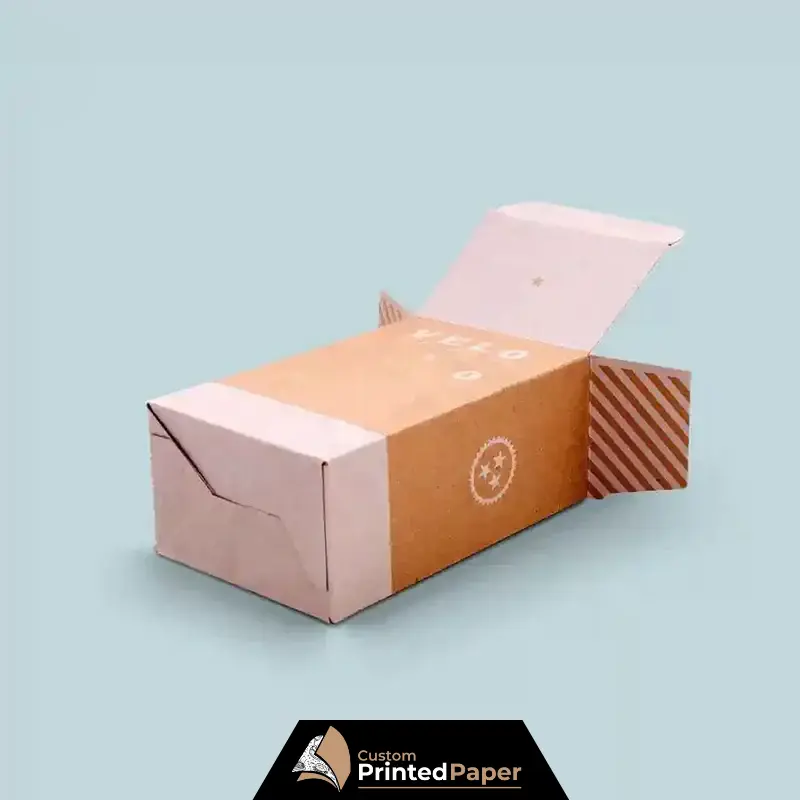
Give your products a professional retail presentation with Custom Tuck Boxes from CustomPrintedPaper. Designed with convenient folding flaps that tuck into the box to secure its contents, these cartons offer a practical packaging solution for cosmetics, food products, electronics accessories, personal care items, retail merchandise, and more.
Whether you need packaging for lightweight products, small retail items, or promotional merchandise, custom tuck boxes can be tailored to your product dimensions, branding, and display requirements. Choose from different tuck-end styles, paperboard materials, printing options, and premium finishes to create packaging that represents your brand.
Key Benefits of Custom Tuck Boxes
- Convenient Opening and Closing: Tuck flaps provide a simple way to access and close packaged products.
- Custom Product Fit: Choose dimensions that accommodate your product and reduce unnecessary empty space.
- Professional Retail Appearance: Use branded artwork, colors, and finishes to create attractive shelf presentation.
- Lightweight Construction: Paperboard cartons offer a practical option for many retail packaging applications.
- Versatile Design Options: Select different tuck styles, closures, and structural configurations.
- Brand Visibility: Print logos, product descriptions, instructions, and other relevant information.
- Flexible Order Quantities: Low MOQ starting at 100 boxes, depending on product specifications.
Industry Applications
Custom tuck boxes are suitable for a wide range of industries:
- Cosmetics: Packaging for lip gloss, mascara, eyeliner, skincare, and beauty accessories.
- Food and Bakery: Suitable for dry food products, confectionery, snacks, and selected bakery items when the material and food-contact requirements are appropriate.
- Personal Care: Packaging for soaps, grooming products, and small personal care items.
- Electronics: Packaging for cables, chargers, accessories, and lightweight electronic components.
- Retail and Apparel: Packaging for small accessories, jewelry, and promotional merchandise.
- Health and Wellness: Cartons for suitable wellness products and non-prescription retail items.
Material Options for Custom Tuck Boxes
| Material | Key Characteristics | Recommended Use |
|---|---|---|
| SBS Paperboard | Smooth surface and excellent print quality | Premium cosmetic and retail cartons |
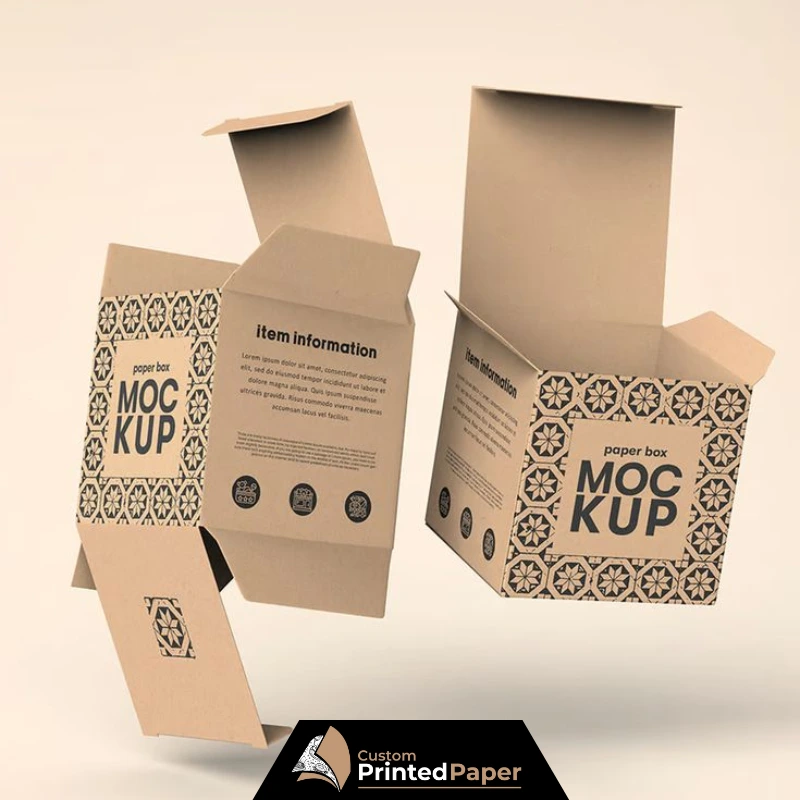
| Kraft Paperboard | Natural appearance and paper-based construction | Eco-conscious and minimalist packaging |
| CCNB Paperboard | Printable coated surface with a recycled board base | General retail packaging |
| Corrugated Cardboard | Fluted structure for additional cushioning | Products requiring stronger outer packaging |
| Rigid Board | Firm, premium construction | Special presentation packaging, where a tuck-style structure is suitable |
Material selection depends on product weight, dimensions, handling requirements, and intended distribution.
Printing & Branding Options
Create branded tuck boxes with printing options suited to your artwork and order requirements.
- CMYK full-color printing
- Pantone color matching
- Offset printing for detailed graphics and larger production runs
- Digital printing for suitable short runs
- Flexographic printing for selected packaging applications
Include your brand logo, product name, ingredients, instructions, barcode, and other relevant product information.
Premium Finishing Options
| Finish | Appearance |
|---|---|
| Matte Lamination | Smooth, non-reflective surface |
| Gloss Lamination | Bright, reflective appearance |
| Soft-Touch Coating | Velvety surface feel |
| Spot UV | Highlights selected design elements |
| Foil Stamping | Metallic gold, silver, or custom foil details |
| Embossing | Raised logos and graphics |
| Debossing | Recessed design details |
| Aqueous Coating | Protective surface coating with a selected sheen |
Popular Tuck Box Styles
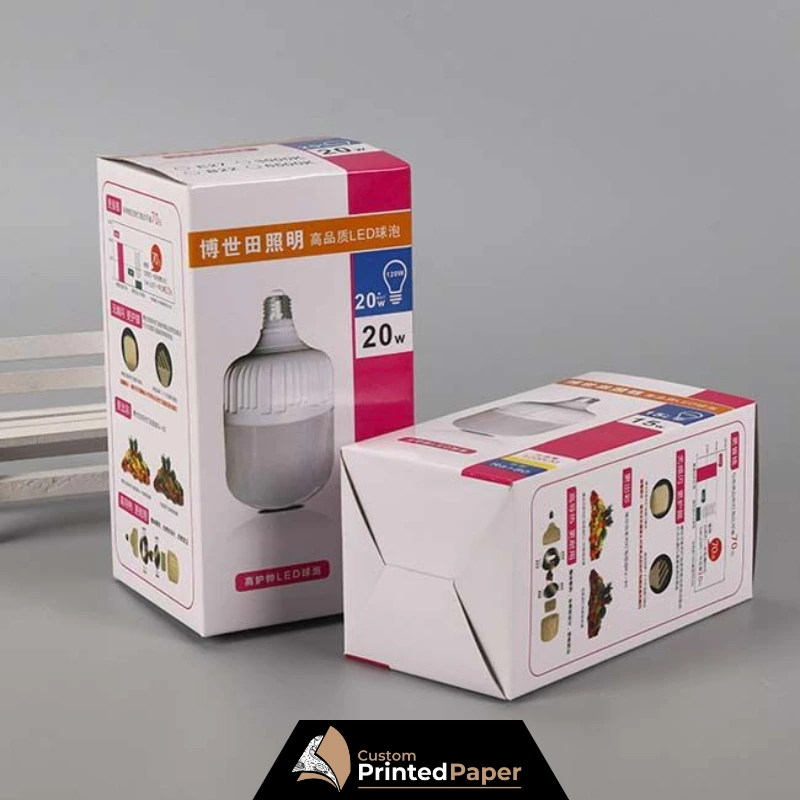
- Straight Tuck End Boxes: Top and bottom flaps tuck in the same direction. Suitable for many lightweight retail products.
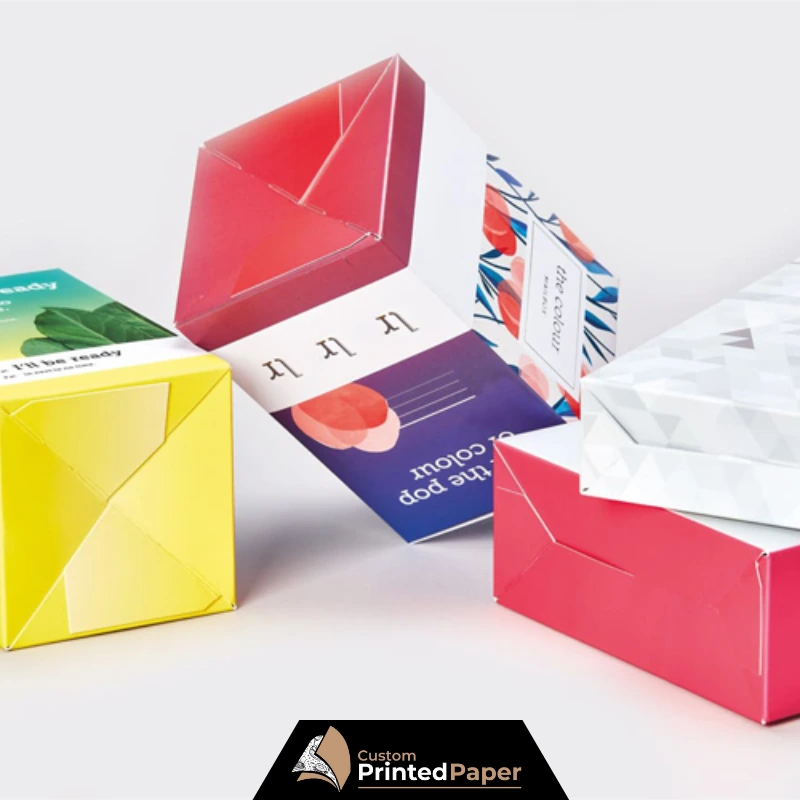
- Reverse Tuck End Boxes: Top and bottom flaps tuck in opposite directions. A versatile option for cosmetic and retail packaging.
- Tuck Top Boxes: Feature a top closure flap that tucks into the box.
- Tuck Front Boxes: Use a front-facing tuck closure for selected product configurations.
- Double Wall Tuck Front Boxes: Provide additional structural support through folded side panels.
- Auto Bottom Tuck Boxes: Combine a tuck-style top closure with an automatic bottom construction for convenient assembly.
- Window Tuck Boxes: Include a die-cut window, with an optional suitable transparent film, to display the product.
- Custom Die-Cut Tuck Boxes: Tailored to specific product shapes and packaging requirements.
Technical Specifications
| Specification | Available Options |
|---|---|
| Box Dimensions | Custom length × width × depth |
| Material | SBS, Kraft, CCNB, corrugated |
| Board Thickness | Selected according to product weight and box structure |
| Printing | CMYK, Pantone, digital, offset |
| Finishes | Matte, gloss, soft-touch, foil, UV |
| Closure | Straight tuck, reverse tuck, tuck top, custom |
| Additional Features | Windows, inserts, dividers, die-cut details |
| Customization | Logo, artwork, product information, brand colors |
Packaging Engineering Considerations
Choosing the right tuck box structure is important for product fit, closure security, and ease of assembly.
- Product Dimensions: Measure the product accurately, including protruding parts and accessories.
- Board Selection: Choose paperboard thickness according to product weight and handling requirements.
- Tuck Flap Design: Ensure the flap dimensions and locking arrangement provide a suitable closure.
- Product Clearance: Allow enough internal space to insert and remove the product without excessive pressure.
- Insert Requirements: Add custom inserts or dividers when products need extra positioning or separation.
- Shipping Considerations: Evaluate whether an additional corrugated outer carton is needed for transportation.
Tuck boxes are generally suitable for lightweight products and retail presentation. Products requiring substantial impact protection may need additional internal or outer packaging.
Design & Prepress Guidelines
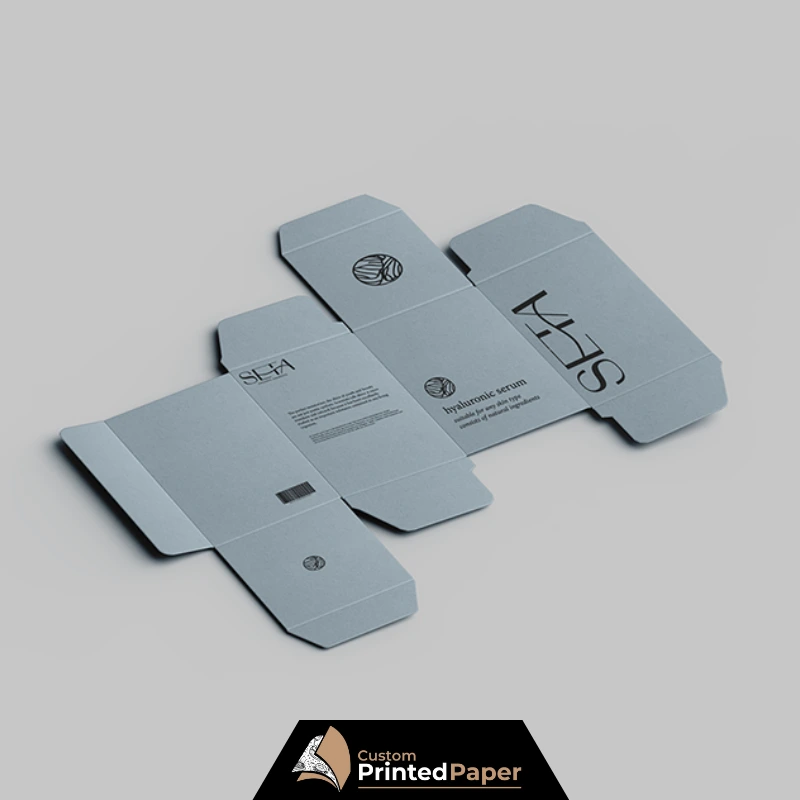
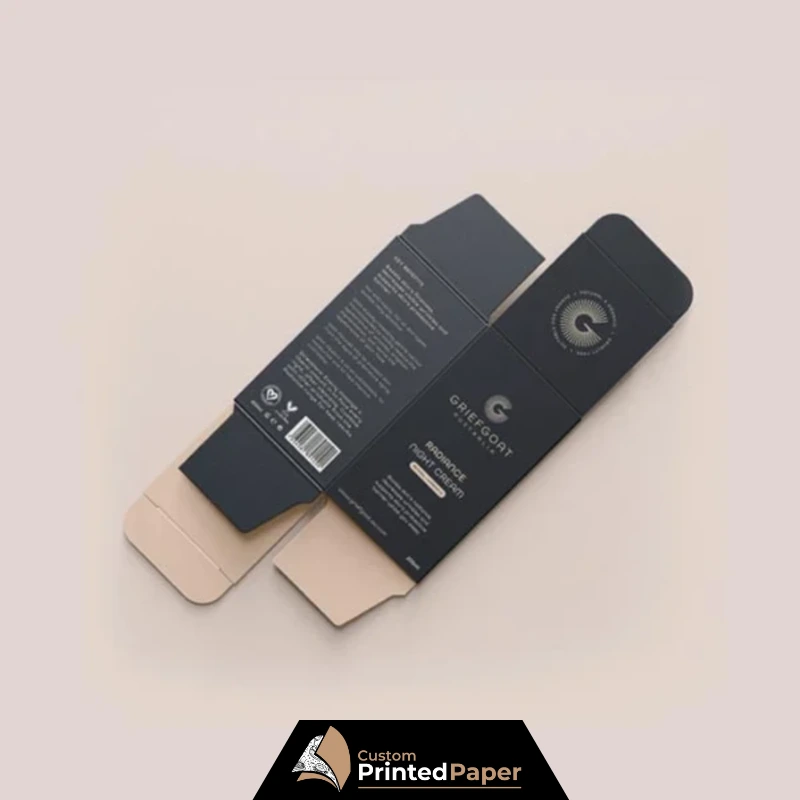
Prepare your artwork using the approved dieline. Keep important text, logos, and graphics within the recommended safe area. Include the required bleed and ensure that artwork does not interfere with fold lines, tuck flaps, or glue panels.
Before approving production, check:
- Box dimensions and structural layout
- Logo placement and color consistency
- Text readability and spelling
- Barcode and product information
- Die-cut window and insert positioning
- Finishing and coating requirements
A physical sample can help verify box assembly, product fit, and closure performance before a larger production run.
How to Order Custom Tuck Boxes
- Select your preferred tuck box style.
- Share your product dimensions and packaging requirements.
- Choose the material and board specifications.
- Select printing, colors, and finishing options.
- Submit your artwork or request free design support.
- Review and approve the final proof.
- Proceed with production and worldwide shipping.
Quality Assurance & Compliance
Packaging specifications should be reviewed for dimensional accuracy, print quality, cutting precision, folding alignment, and closure performance. For food, cosmetic, or other regulated products, confirm that the selected materials and any required labeling meet the applicable requirements for your market and intended use.
Sustainable Packaging Options
Choose paper-based materials such as Kraft or responsibly sourced paperboard where suitable. Right-sized tuck boxes can help reduce unnecessary packaging material. Recycling suitability may vary depending on coatings, laminations, windows, and other added components, so consider the complete packaging construction when selecting materials.
Why Invest in Custom Tuck Boxes?
Custom tuck boxes combine practical construction with flexible branding opportunities. Their folding closures make them suitable for many retail products, while custom dimensions and printing help create a consistent brand presentation. From simple product cartons to premium printed packaging, the right tuck box style can support product organization, shelf appeal, and customer recognition.
Why Choose CustomPrintedPaper?
CustomPrintedPaper provides customized packaging solutions for businesses across different industries.
- Low MOQ starting at 100 boxes, depending on product specifications
- Free design support
- Free worldwide shipping
- Standard turnaround of 8–10 business days after artwork approval, where applicable
- Custom sizes, materials, printing, and finishing options
- No hidden costs
Give your products a professional presentation with custom tuck boxes designed around your brand. Request a quote from CustomPrintedPaper today.
Frequently Asked Questions
What are custom tuck boxes?
Custom tuck boxes are folding cartons with flaps that tuck into the box to close it. They are commonly used for cosmetics, retail products, personal care items, and lightweight merchandise.
What is the difference between straight tuck and reverse tuck boxes?
In straight tuck boxes, the top and bottom flaps tuck in the same direction. In reverse tuck boxes, the flaps tuck in opposite directions. Both are popular folding carton styles, and the right choice depends on the product and packaging design.
Can I order tuck boxes in custom sizes?
Yes. Custom tuck boxes can be manufactured according to your product’s length, width, and depth. Accurate measurements help ensure a suitable fit.
Which material is best for tuck boxes?
SBS paperboard is popular for high-quality printing, while Kraft paperboard offers a natural appearance. The best choice depends on product weight, presentation, and intended use.
Can custom tuck boxes include windows?
Yes. You can add die-cut windows to display selected products. A suitable transparent film can also be considered where required.
Are tuck boxes suitable for shipping?
They can be used for packaging products before shipment, but lightweight folding cartons may require additional protective outer packaging for transportation.
What is the minimum order quantity?
The MOQ starts at 100 boxes for eligible specifications. It may vary according to the material, dimensions, and selected box style.
How long does production take?
Standard turnaround is generally 8–10 business days after artwork approval, where applicable. The final schedule depends on order specifications and production requirements.
| Box Style | Custom Tuck Boxes |
| Dimension (L + W + H) | All Custom Sizes & Shapes |
| Quantities | No Minimum Order Required |
| Paper Stock | 10pt to 28pt (60lb to 400lb) Eco-Friendly Kraft, E-flute Corrugated, Bux Board, Cardstock |
| Printing | No Printing, CMYK, CMYK + 1 PMS color, CMYK + 2 PMS colors |
| Finishing | Gloss Lamination, Matte Lamination, Gloss AQ, Gloss UV, Matte UV, Spot UV, Embossing, Foiling |
| Included Options | Die Cutting, Gluing, Scored, Perforation |
| Additional Options | Eco-Friendly, Recycled Boxes, Biodegradable |
| Proof | Flat View, 3D Mock-up, Physical Sampling (On request) |
| Turnaround | 4 – 8 Business Days, RUSH |
| Shipping | FLAT |
Why Businesses Trust Us

Customized Style

Customized Printing

Competitive Price

Free Shipping
Unlimited Options Available in Tuck Boxes

Offset Printing
If you’re looking for large-volume packaging materials, choose offset printing! This printing method produces clean, crisp, and brilliant results. It uses plates to transfer ink to paper, so it is economical for printing in bulk. The process provides accurate color, professional quality, and an outstanding look and feel, which is ideal for cutting custom box designs.

Digital Printing
Digital printing works well for short runs and quick turn times. It doesn’t use printing plates, but instead prints directly from a computer file. It is cheap for small amounts and gives good resolution. It’s ideal for custom designs, variable data or limited edition packaging that requires speed and flexibility.
Screen Printing
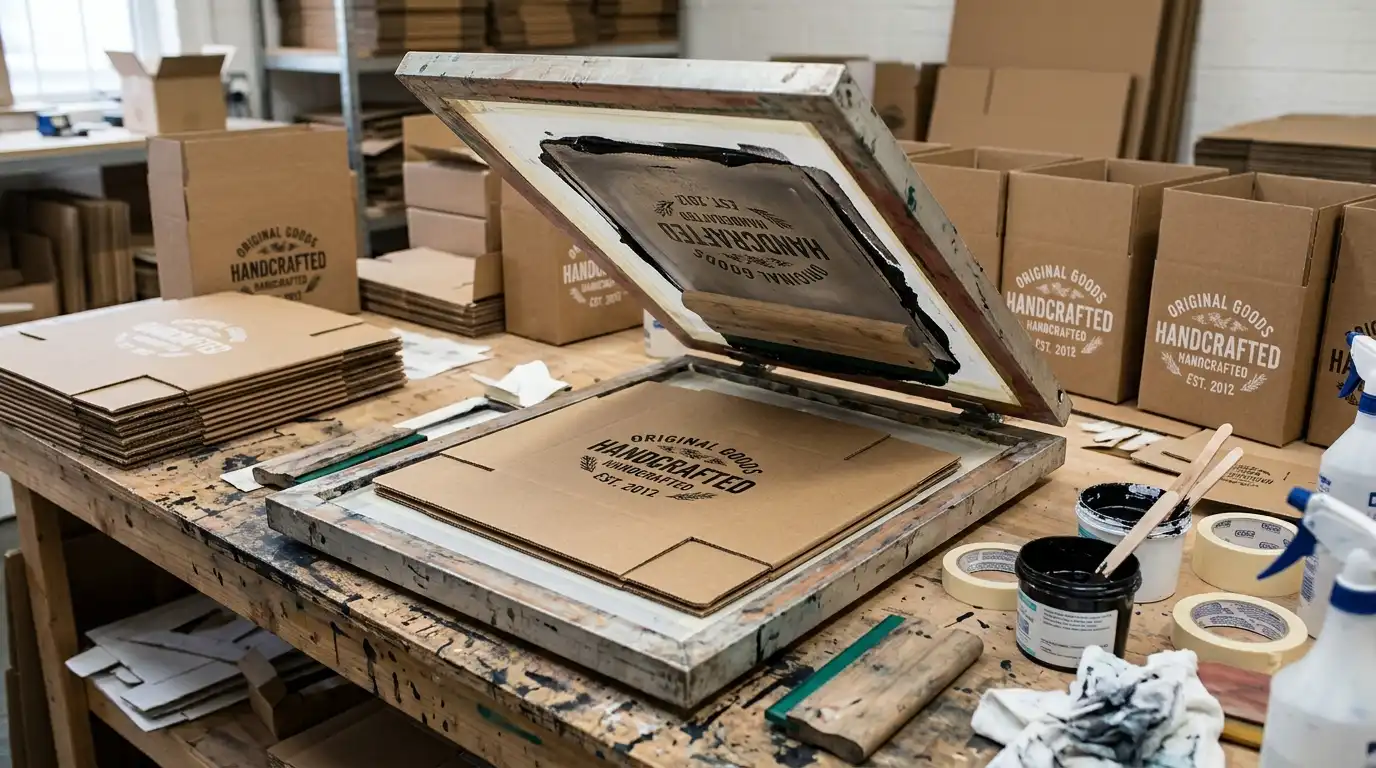
Screen Printing is a versatile printing technique that uses a mesh screen to transfer ink onto different surfaces, including paper, plastic, fabric, and cardboard. It produces vibrant colors, bold designs, and durable prints, making it ideal for customized packaging and promotional products.

UV Printing
UV printing is a process that uses ultraviolet light to dry and cure the ink as it is printed. It easily operates on traditional and non-traditional materials. This process adds to the visual appeal of such packages, as well as their durability, and packages that require a combination of both texture and shine are perfect candidates for such execution.
Flexography
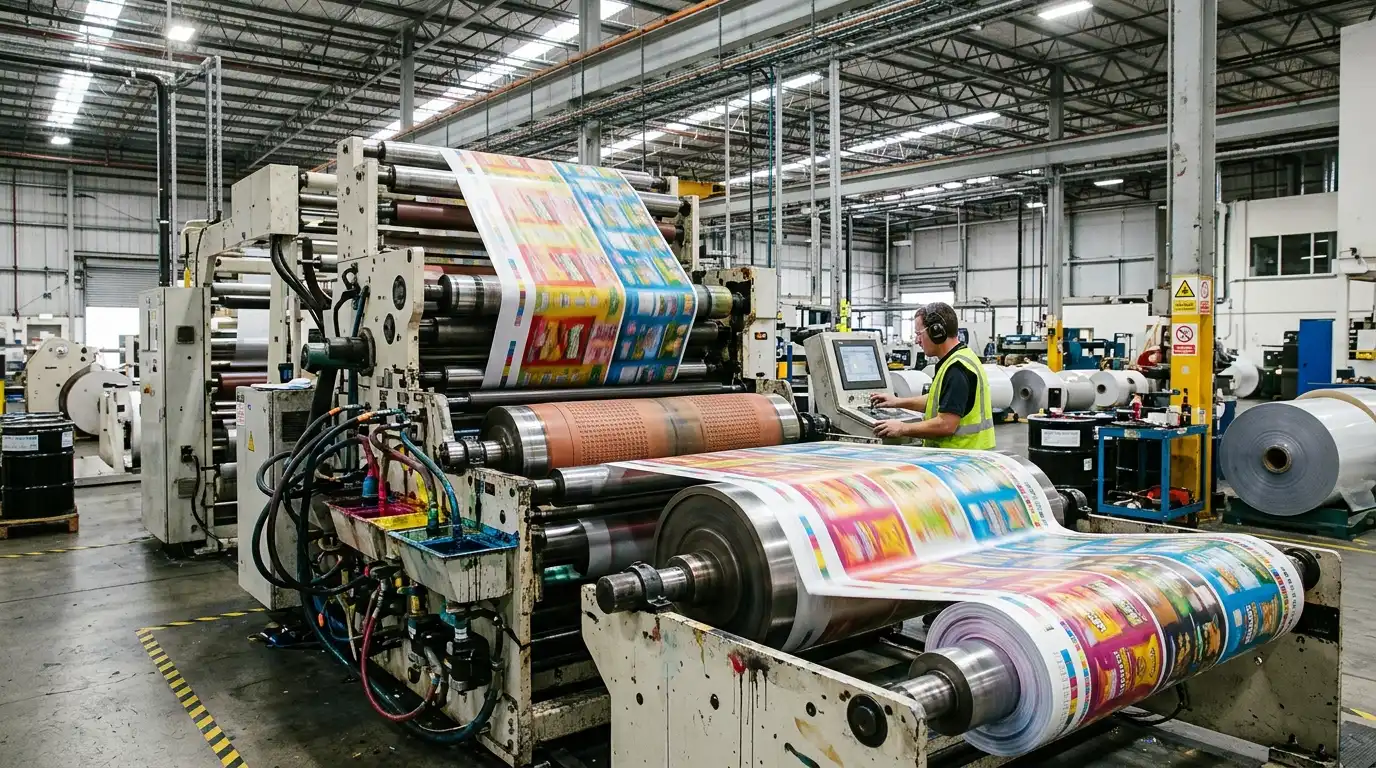
Flexography (Flexo) is a high-speed printing process that uses flexible relief plates to transfer ink onto various materials, including paper, plastic, and cardboard. It is ideal for packaging, labels, and large-volume printing.
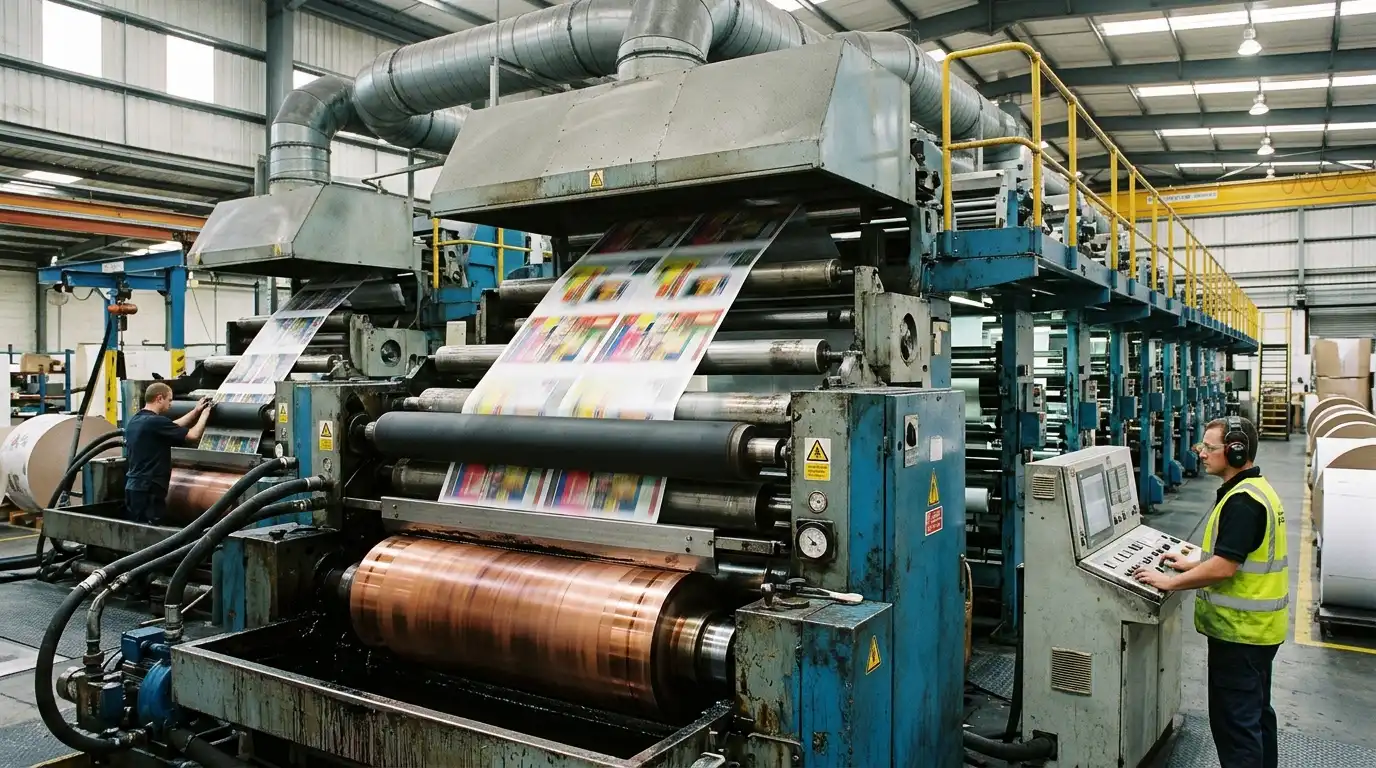
Gravure (Rotogravure)
Gravure (Rotogravure) is a high-quality printing process that uses engraved cylinders to transfer ink onto materials like plastic, paper, and foil. It delivers sharp details, rich colors, and consistent results, making it ideal for large-scale packaging production.

Pantone
Pantone printing is based on a standardized color matching system to guarantee an exact color match between jobs. It’s great for keeping brand colors perfect. Pantone ink is mixed using Pantone formula guides developed through spot printing for color accuracy that is reported as second to none. For luxury packaging that demands trustworthy, uniform, and sumptuous color from the start.

C1S
C1S is an acronym for “Coated One Side,” as the paperboard is glossy on one side and uncoated on the reverse. It is wonderful in packaging where you need a printed, high-end, printable side outside, and you may want the inside to be writable or matte. Perfect for handcraft, small business and so on, ideal for packaging boxes, shelves, product tags with a polished look.

C2S
C2S, which stands for “Coated Two Sides”, has a smooth and shiny coating on both sides of the paperboard. This is why it is ideal for stunning full-color printing, regardless of whether you are an individual or a company. Retail packaging, brochures, and cosmetics boxes that require a high-quality, high-gloss finish both inside and out use C2S.

White Kraft
White Kraft is similar to traditional Kraft, but with a printable white surface. It features a crisp white surface that produces sharp and clear prints, making it perfect for high-quality images. This is a material commonly used to manufacture sustainable packaging, which is required to have attractive prints for a professional brand image.

Kraft Paper
Kraft paper is natural brown and unbleached. Thai material is derived from wood pulp and is recyclable. Companies that want to attract eco-conscious consumers prefer Kraft material. It has a rough texture, which is perfect for handcrafted items for a rustic look and protective packaging.

Coated Kraft (CCK)
This paper is brown Kraft with a smooth, white clay-coated surface that enhances the appearance of whatever you print on it. It offers a sleek look that is ideal for graphics, prints and text branding. This hybrid design is perfect for packaging that requires both sustainability and sharp visual branding.

Color Woodfree
Color Woodfree paper has a smooth dyed surface that is free of wood fibres, for a clean finish. It is typically acid-free, and both image and color remain crisp. Ideal for presentation packaging, greeting cards, and custom box lining, where a consistent, solid color and luxurious finish are needed.

CCNB
CCNB (Clay Coated News Backboard) is made from recycled paper and has a clay-coated white backing for printing. The back remains gray or brown, preserving its eco-friendly nature. It is a very cost-effective substrate and is used extensively in folding cartons, retail packaging, and food service boxes, where low printing costs and moderate strength are the primary concerns.

Black Cardboard
Black cardstock is 100% black for a rich look that is both professional and elegant. It’s rigid and robust. It creates exceptional luxury product boxes and helps in premium branding. The materials’ smooth and matte surface is suitable for foil stamping and other premium finishes to add class and quality.

Glossy Lamination
Glossy lamination is used to give a shiny surface to the custom boxes. This coating is also an excellent option to protect the material from scratches. If you want to give your boxes a professional finish and protection from scratches, then gloss lamination is an ideal option. The high quality of the lamination protects the packaging material from moisture and enhances its longevity.

Matte Lamination
The covering is a matte lamination to give a smooth surface with a non-glossy finish, with a premium feeling. It can lower glare and has a soothing quality to particular colors. This finish is frequently used when a modern, subtle appearance is required and a sound, protective barrier is necessary to help resist smudging, light scratching and light abrasion while still offering the look of natural wood grain.

Soft Touch Lamination
The velvet-like feel makes it soft to the touch, lamination and creates an amazing tactile sensation. The surface feels good and is easy to hold. It increases tactile interaction and reinforces a brand message with elegant visuals, yet it is still durable; resists moisture, wear, and. damage during handling.

Anti-scratch Lamination
Anti-scratch lamination resists scratches, prevents scratches, and reduces the visibility of scratches. It holds up better with dust. This finish is also excellent for packaging applications in which the item needs to be kept in prime condition via handling and shipping, and for the retail shelf, where resistance to wear and durability are a must for on-shelf appearance and quality control.

UV Varnishing
UV Varnishing is a high-gloss coating that adds depth and appeal to the printed image. Cured with Ultraviolet light to be hard and ready to use. This process creates a very distinctive, eye-catching appearance and provides additional protection. It also has the added benefit of hiding light scratches, fingerprints and dirt.

Machine Varnishing
Machine varnishing provides the packaging with an even finish that is applied during production. It beautifies your surfaces and lasts up to 15 years. Its finish is consistently good on large runs, and provides for good smoothness, clarity, and slight gloss increase as well as improved resistance to minor wear and dulling over time.

Calendering Varnishing
Varnishing calendering is the process that gives gloss and smoothness with heat and pressure. It also helps to crisp up printed detail and feels more professional. This process enhances details and gives an inviting feel to the printed product for premium quality presentation packaging.

Water-Base finishing
Water-based coating offers a protective and environmentally safe coating that is also strong and long-lasting. It provides a matt/natural or gloss/soft gloss finish effect without being applied using hazardous materials. This option is perfect for companies that value environmental consciousness and are in need of a smooth surface that is reflective as well as protective.

Water Base Ink
Ecologically friendly water-based ink that is non-toxic and gentle on skin. It is suitable for different kinds of printing processes, including superior carton printing quality.

Soy Ink
Soy ink is manufactured with soybeans and is sustainable in nature. This ink has the ability to give vibrant colors and impactful designs that give your custom printed boxes an alluring look. It has a much smaller carbon footprint as compared to petroleum-based inks.

Fluorescent Ink
Fluorescent ink gives designs that glow under UV light and create a catchy design. This ink is ideal for special effects, as well as for producing prints that pop. It is commonly used in posters, labels, signs and other marketing materials which must be read easily in a variety of conditions.

Oil Base Ink
This kind of ink uses petroleum and is becoming popular simply because it is durable and of high-quality color. Exhibiting excellent print resolution and high-standard graphics quality. Oil-based ink gives perfect quality images, especially on porous surfaces that are otherwise hard to print. But it has a greater environmental impact in terms of its chemistry.

Foil Stamping
In foil stamping, heat is used to transfer ink to the surface. You can get matte to gloss and holographic images on your packaging. Foil stamping outshines your packaging among the other brands and gives a high-end look to your product.

Spot UV / Spot Gloss
In spot UV, a polished layer is applied to specific areas of packaging. This is an ideal option to build contrast and textures. If you want to accentuate your logo and other designs, then spot UV is a good option.

Blind Embossing
A blind emboss is an image that is pressed into the paper or card without the use of ink or foil. It has a raised or recessed quality, which makes the material look elegant and refined. This velvet touch lamination is commonly used on branding or invites, adding a tactile feel to the design.

Blind Debossing
Blind debossing is a form of blind embossing as you create a depressed image into the material, instead of an embossed one. It’s commonly used for soft branding or high-end packaging and returns a smooth and sophisticated feel to your designs.

Stamping Embossing
Embossing stamping combines stamping and embossing to produce a raised pattern or logo. It adds an ink stamp or foil technique decoration, great for luxury business cards, invitation cards, and packaging details, both textured and detailed.

Flocking
Flocking is the act of adhering small fibers to the surface of an article of fabric or other material. This process allows for the printed material to have a soft hand and be slightly indented into the product it is printed on, and is typically reserved for greeting cards, packaging or limited garment decoration. It creates a lush feel and lavish touch.

Textured Embossing
Emboss textures are a raised or indented pattern in a graphic, giving an elegant look for print. The effect is typically used for branding and to add detail to designs in things like invites, business cards or packaging, but also gives a tactile and visual boost.

Glittering
What is glittering? They love that it makes people look and feel sparkling. It is frequently used in advertising as well as in sales promotions, in packages, in decorative items, on toys, and other products to increase its liveliness and attract attention. It’s great for holiday or special occasion patterns.
Related
Categories
Bottle Packaging Boxes
Custom Apparel Boxes
Custom Bakery Packaging

Custom Boxes Canada
Custom Cardboard Boxes Canada
Custom CBD Packaging
Custom Cosmetic Boxes
Custom Food Boxes
Custom Gift Boxes
Custom Jewelry Boxes
Custom Kraft Boxes
Custom Mailer Boxes
Custom Mailers
Custom Metalized Packaging

Custom Mylar Bags Canada
Custom Packaging Tape
Custom Paper Plates

Custom Perfume Boxes
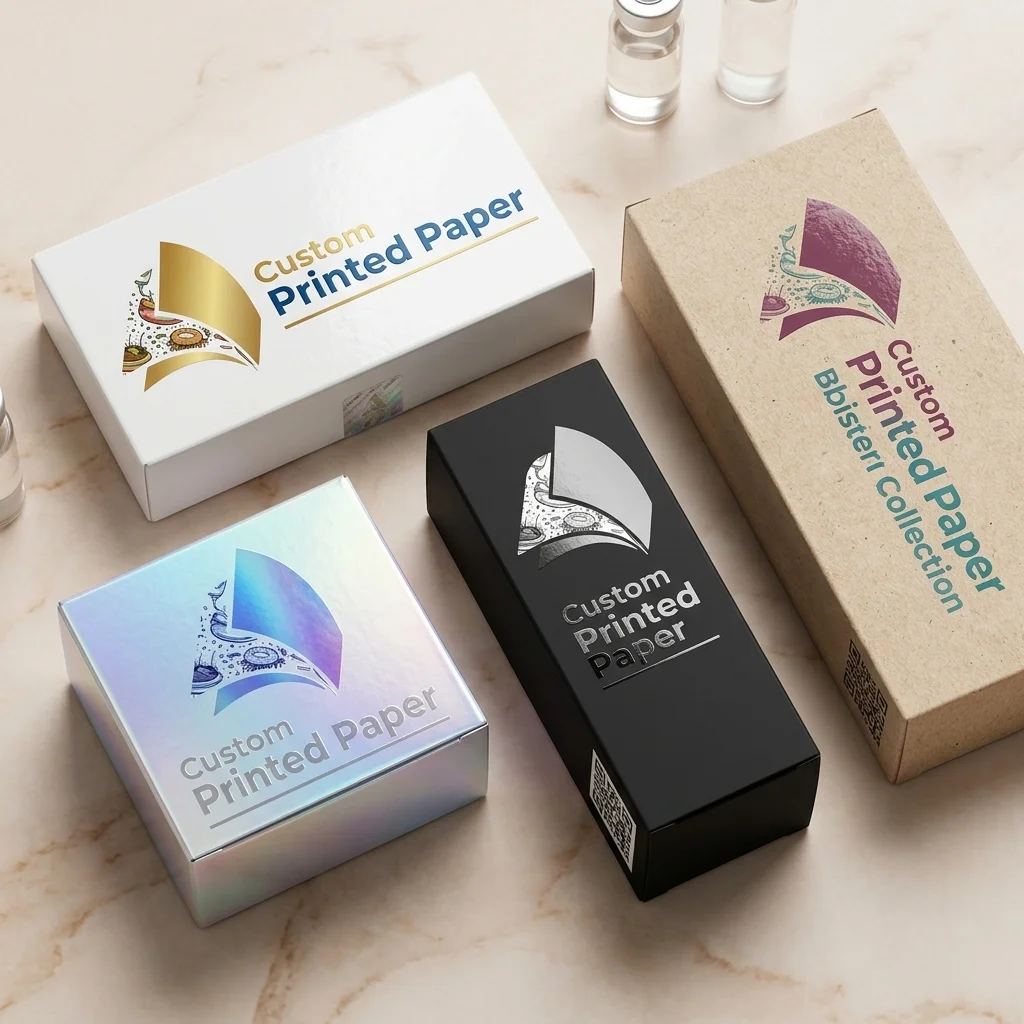
Custom Pharma Packaging
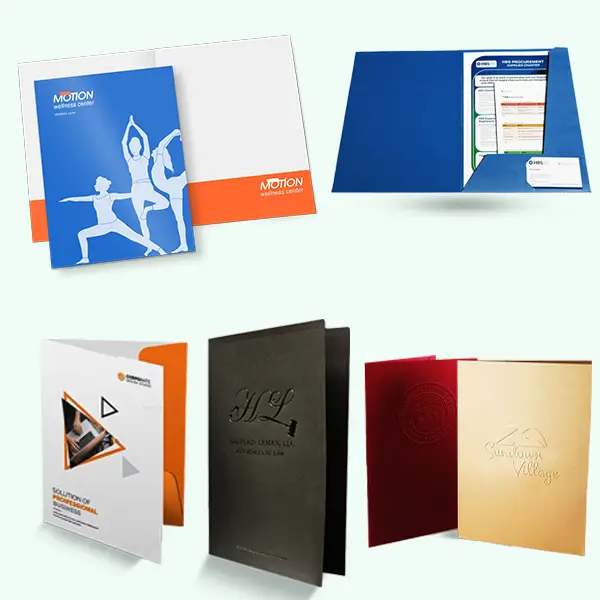
Custom Presentation Folders
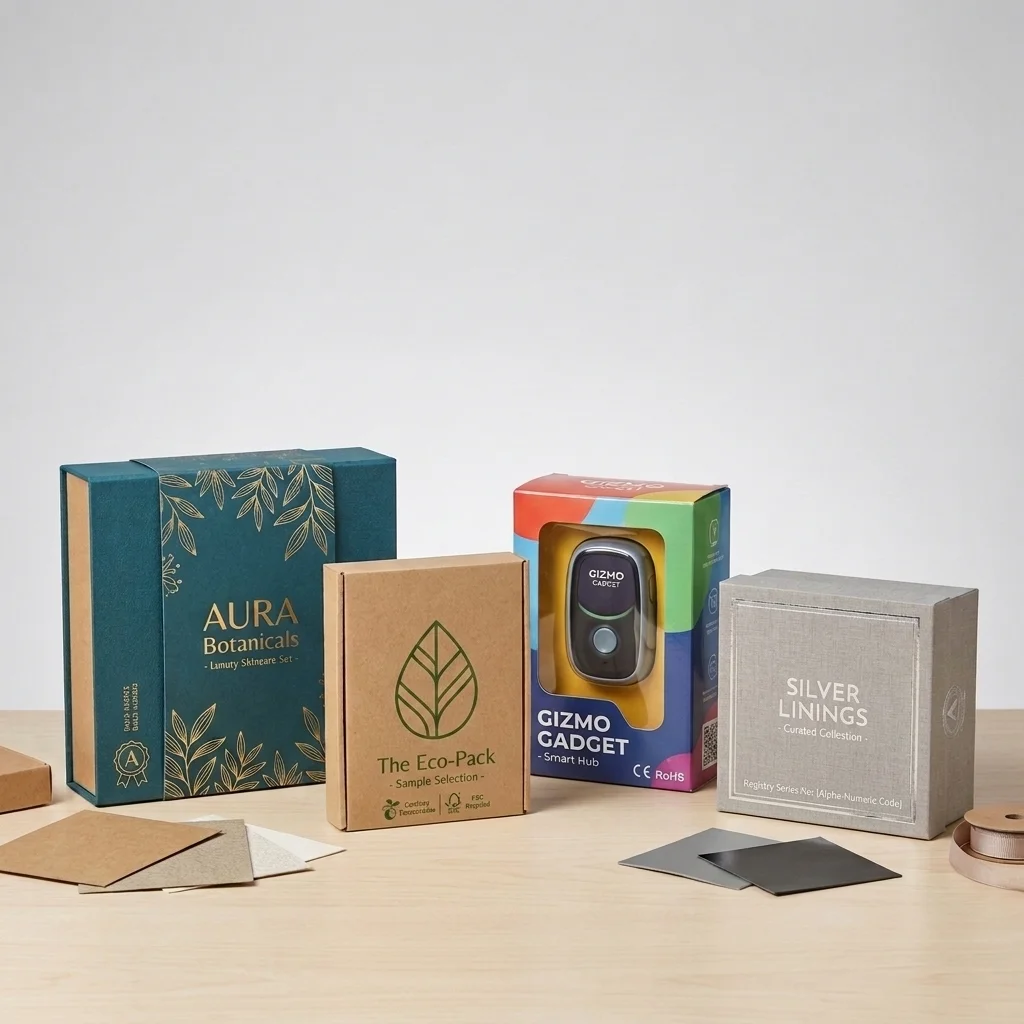
Custom Printed Boxes
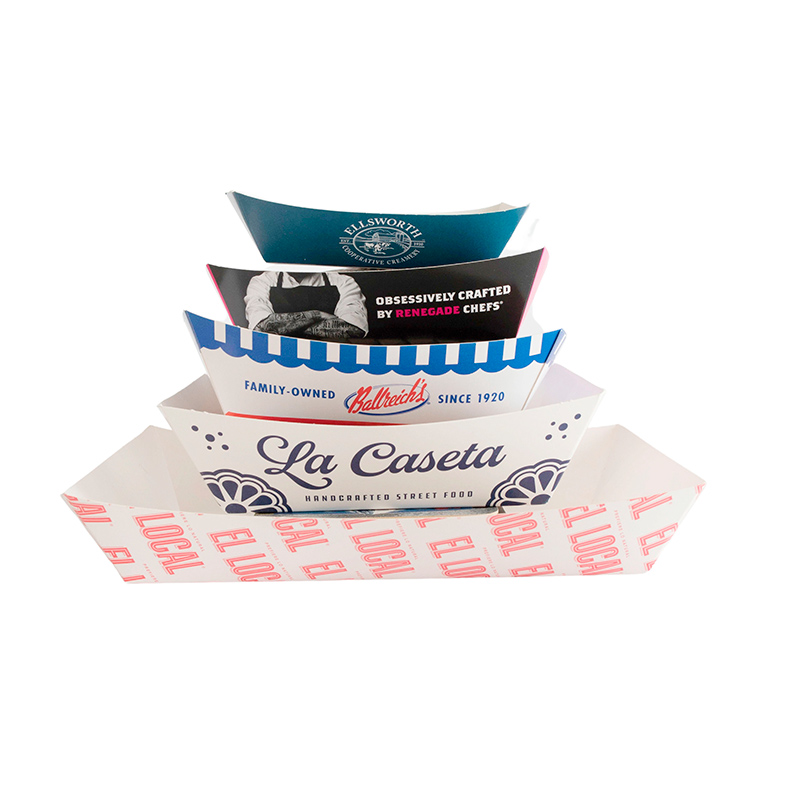
Custom Restaurant Packaging
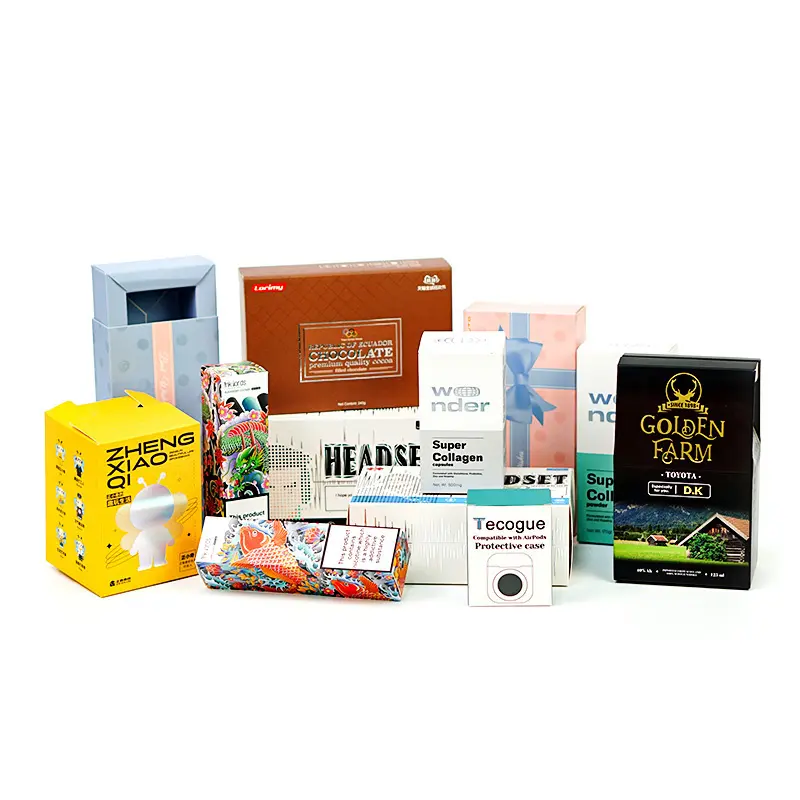
Custom Retail Packaging
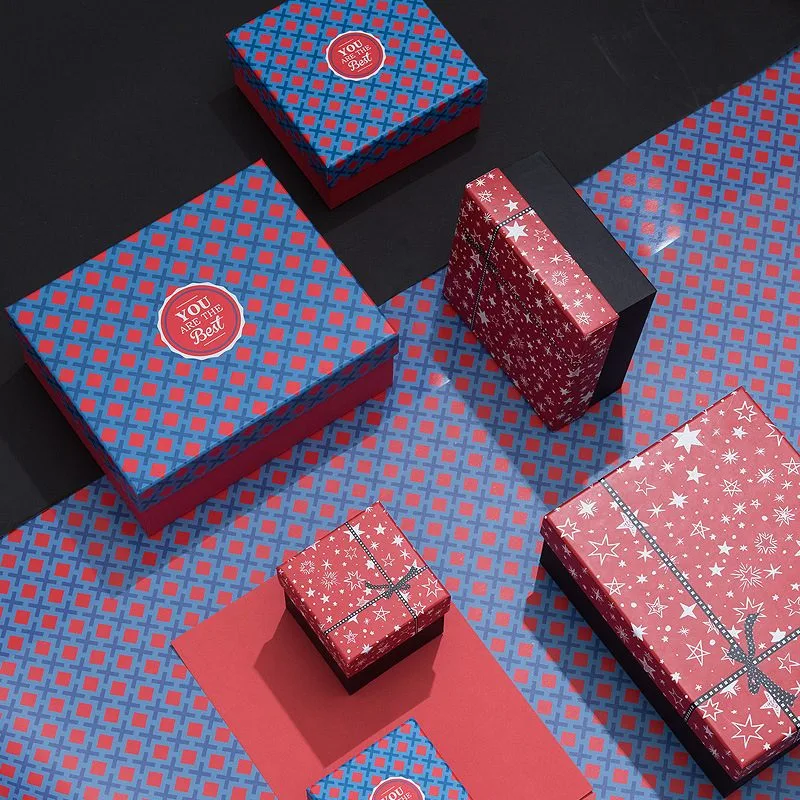
Custom Rigid Boxes
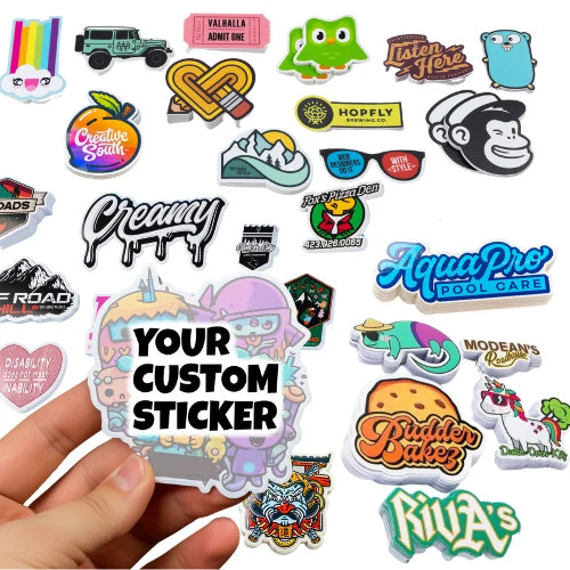
Custom Stickers Canada
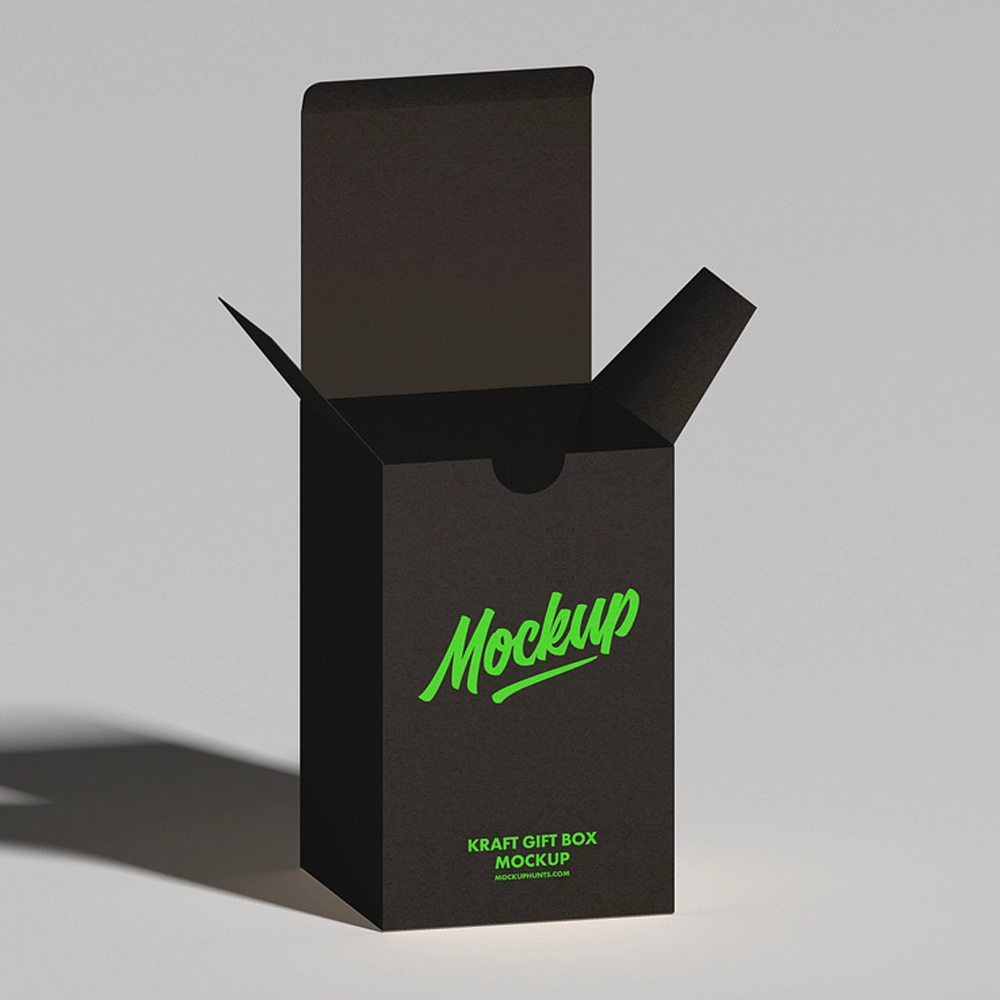
Custom Tuck Boxes
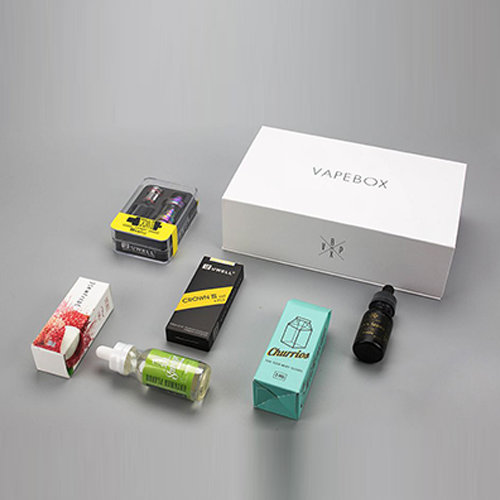
Custom Vape Packaging Boxes
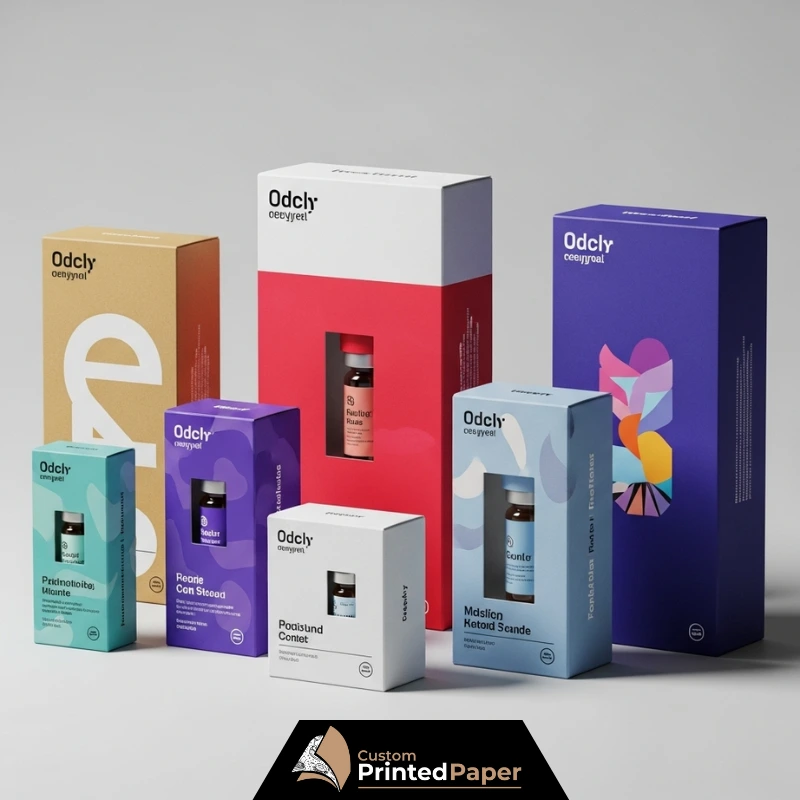
Custom Vial Packaging

Custom Printed Paper Bags
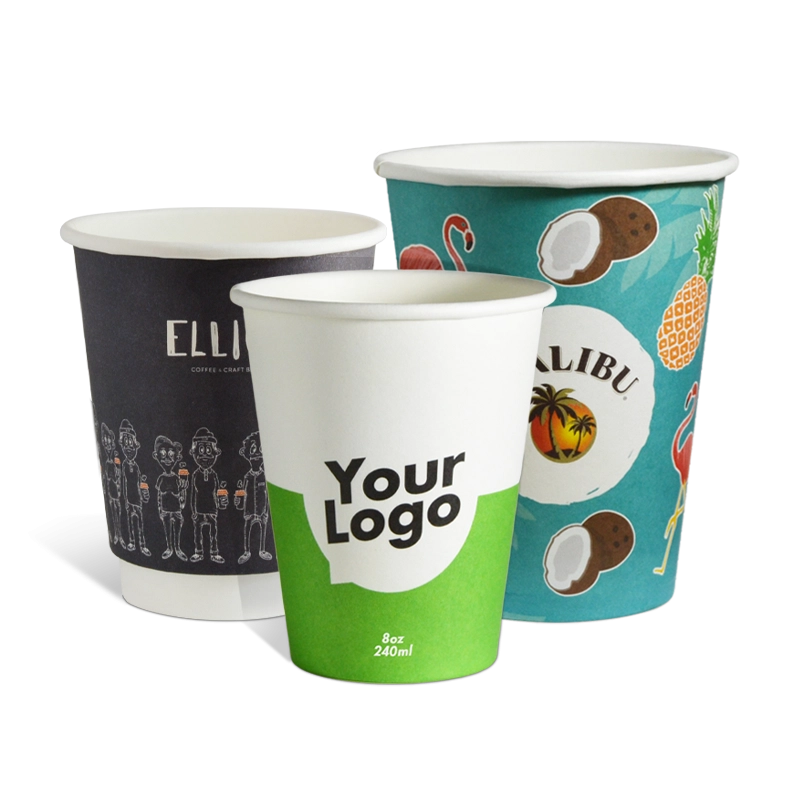
Custom Paper Cups
